Soetoe: Strategic Typography for Modern Digital Branding
In an era where digital attention is the scarcest resource, the visual language of a brand often determines whether a user engages or moves on. For entrepreneurs, designers, and decision-makers seeking to establish a presence that feels both contemporary and authoritative, typography serves as a critical foundation. Among the growing array of display fonts available, Soetoe has emerged as a distinctive option for those aiming to inject a clean, modern, and slightly technological aesthetic into their projects. This minimalist and techno-styled font is not merely a decorative choice; it is a strategic tool that, when applied with intention, can elevate web designs, logos, and broader communication materials.
The effectiveness of any design element lies in its alignment with business objectives. Soetoe’s sharp lines and geometric precision offer a "smart, cool touch" that resonates well with audiences accustomed to high-tech interfaces and streamlined user experiences. However, integrating such a specific typographic voice requires more than aesthetic appreciation. It demands a clear understanding of context, audience expectations, and long-term brand positioning. This analysis explores how Soetoe can be leveraged strategically to support goals ranging from enhanced customer experience to improved operational clarity in branding.
Understanding the Visual Language of Soetoe
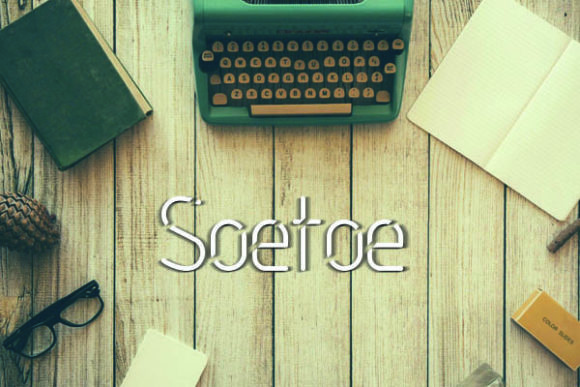
To use Soetoe effectively, one must first deconstruct its visual characteristics. As a display font, Soetoe is designed to be read at larger sizes or as a headline element rather than for body text. Its structure is defined by:
- Minimalist Geometry: The letterforms rely on clean lines and reduced ornamentation, creating a sense of order and efficiency.
- Techno Aesthetic: Subtle angularities and precise spacing evoke a sense of digital native-ness, reminiscent of code interfaces or futuristic UI elements.
- High Contrast Potential: When paired with softer serif or sans-serif body fonts, Soetoe creates a dynamic tension that draws the eye immediately to key messages.
This visual profile makes Soetoe particularly suitable for industries where precision, innovation, and modernity are core value propositions. Technology startups, fintech platforms, architectural firms, and creative agencies often find that this font aligns with their internal culture and external market positioning. By choosing Soetoe, a brand signals that it values clarity, structure, and forward-thinking design.
Strategic Applications in Web Design and User Experience
For web designers and product managers, the choice of typography directly impacts usability and perceived credibility. Soetoe can play a pivotal role in shaping the user journey, provided it is used within the bounds of good UX principles.
Enhancing Brand Identity Through Headlines
The primary strength of Soetoe lies in its ability to command attention without shouting. In hero sections of landing pages or key feature announcements, using Soetoe for headlines establishes a tone of confidence. Unlike overly ornate fonts that may distract, or generic sans-serifs that may blend in, Soetoe offers a unique identity marker. This differentiation is crucial in crowded markets where standing out is synonymous with survival. When users encounter a website utilizing Soetoe, they subconsciously associate the brand with modernity and technical competence.
Supporting Information Hierarchy
Effective communication relies on a clear hierarchy of information. Soetoe can serve as the anchor for this hierarchy. By reserving this display font for major headings (H1, H2) and allowing neutral, highly readable sans-serif fonts for body copy, designers create a visual rhythm that guides the reader’s eye. This separation ensures that while the brand voice is strong and distinct, the actual content remains accessible. For educators, bloggers, and publishers, this balance is essential; it allows them to maintain a stylish brand image while ensuring that complex information is digestible for their audience.
Branding and Logo Design: Making a Lasting Impression
For small business owners and freelancers, the logo is often the first point of contact with potential clients. Incorporating Soetoe into logo design requires careful consideration of scalability and versatility.
Because Soetoe is a display font, it works best in contexts where the logo is displayed at a reasonable size. It excels in monochrome applications, where its geometric purity shines without the distraction of color. For tech-focused brands, a logo rendered in Soetoe suggests a no-nonsense approach to problem-solving. It communicates that the entity behind the brand is organized, efficient, and digitally fluent.
However, decision-makers must consider the longevity of the brand. Trends in typography shift rapidly. While Soetoe currently fits the "techno-minimalist" trend, relying solely on trendy fonts can date a brand quickly. To mitigate this risk, Soetoe should be integrated as part of a broader typographic system rather than the sole identifier. Pairing it with a timeless, neutral secondary font ensures that the brand remains adaptable as design trends evolve.
Operational Efficiency in Creative Workflows
From a productivity standpoint, having a curated set of high-quality fonts like Soetoe streamlines the creative process. For agencies and in-house marketing teams, pre-approved typefaces reduce decision fatigue. When every project begins with a clear typographic guideline, the team can focus on strategy and messaging rather than debating font choices.
Furthermore, Soetoe’s clean structure often translates well across various media formats. Whether used in a digital ad, a printed brochure, or a presentation deck, the font maintains its legibility and impact. This consistency supports operational efficiency by reducing the need for extensive adjustments when moving between different output channels. For professionals managing multiple client accounts, this reliability is invaluable.
Risks and Considerations: Avoiding Misalignment
While Soetoe offers significant advantages, its use is not without risks. The most common pitfall is overuse or inappropriate context. Because it is a display font, attempting to use Soetoe for long paragraphs of text will hinder readability and frustrate users. Display fonts are meant to be glanced at, not read continuously. Using it for body copy can make a website feel cold, inaccessible, and unprofessional.
Another risk is misalignment with brand personality. Soetoe carries a specific connotation of "tech," "cool," and "modern." If a brand operates in a sector where warmth, tradition, or organic growth is paramount—such as healthcare, childcare, or artisanal food production—Soetoe may send the wrong message. It might appear too sterile or detached. In these cases, a warmer serif or a rounded sans-serif would likely yield better results in building trust and emotional connection.
Additionally, accessibility must remain a priority. High-contrast, geometric fonts can sometimes struggle with screen readers or low-resolution displays if not implemented correctly. Designers must ensure that Soetoe is tested across various devices and browsers to guarantee that it does not exclude users with visual impairments. Accessibility is not just an ethical obligation; it is a legal requirement in many jurisdictions and a key component of inclusive design.
Planning for Long-Term Results
Integrating Soetoe into a brand strategy should be a deliberate act, not an impulsive design choice. Before adopting this font, stakeholders should ask:
- Does our target audience resonate with this aesthetic? Conduct user research to determine if your customers perceive your brand as modern and tech-forward.
- How does this font fit into our broader visual identity? Ensure Soetoe complements your color palette, imagery style, and other design elements.
- Is it versatile enough for our needs? Evaluate whether Soetoe works well in both digital and print environments, and at various sizes.
- What is our long-term vision? Consider whether this font will still represent your brand accurately in five years, or if it is too tied to current trends.
By answering these questions, businesses can move beyond superficial aesthetics and toward a cohesive, strategic design system. Soetoe becomes less of a "nice-to-have" decoration and more of a functional asset that supports communication goals.
Conclusion: Intentional Design for Better Outcomes
Soetoe represents more than just a stylistic preference; it is a tool for communicating intelligence, clarity, and modernity. For the right audience and application, it can significantly enhance the perceived value of a brand. However, its power lies in restraint and context. Used wisely, it adds a smart, cool touch that elevates web designs and logos. Used poorly, it can alienate users and obscure the message.
Decision-makers should approach Soetoe with a mindset of intentional design. Align it with clear business goals, test it against real user feedback, and integrate it into a holistic brand strategy. In doing so, you transform typography from a mere visual element into a strategic driver of engagement, trust, and long-term success. Whether you are a freelancer crafting a personal brand or a large enterprise refining your digital presence, thoughtful typography like Soetoe can help you achieve better results through clearer, more compelling communication.