Damage: Strategic Typography for Bold Visual Communication
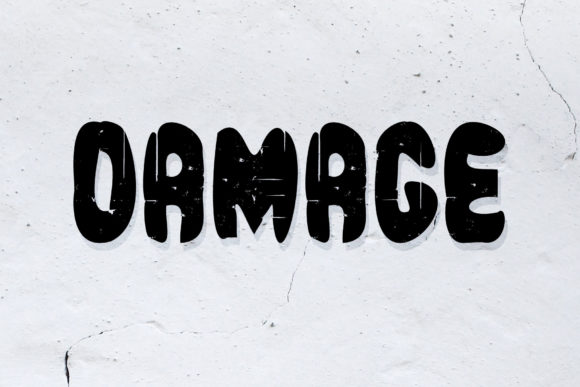
In the landscape of visual design, typography is rarely just about readability; it is a primary vehicle for tone, authority, and emotional resonance. When a project demands immediate attention, conveys raw energy, or requires a distinct departure from conventional minimalism, the choice of typeface becomes a critical strategic decision. Damage is a thick-lettered, rough-textured display font designed precisely for these high-impact scenarios. While many fonts strive for invisibility—allowing content to speak without distraction—Damage operates in the opposite register. It commands space. It introduces friction. It signals that the message within is urgent, gritty, or unapologetically bold.
For entrepreneurs, marketers, and creative professionals, understanding when and how to deploy such a distinctive typeface is essential. Using Damage effectively is not merely an aesthetic choice; it is a communication strategy. This guide explores the practical applications, strategic benefits, and potential pitfalls of incorporating Damage into your design workflow, helping you make informed decisions that align with your broader goals.
The Strategic Value of Distinctive Display Fonts
Most business communications rely on sans-serif or serif fonts chosen for their neutrality. These choices support clarity and professionalism but can sometimes blend into the background noise of digital media. A font like Damage offers a counter-strategy. Its thick strokes and textured surfaces create visual weight, allowing it to act as a graphic element in itself. This characteristic makes it particularly valuable for brands seeking to differentiate themselves through personality rather than purity.
When used intentionally, Damage can elevate a creation by adding layers of meaning before the viewer even reads the text. The "rough" texture suggests authenticity, durability, or rebellion, depending on the context. For a small business owner launching a craft brand, this font can communicate handcrafted quality and resilience. For a marketer promoting an extreme sports event, it conveys adrenaline and intensity. The key lies in recognizing that the font does not just hold letters; it holds attitude.
Elevating Brand Positioning
Brand positioning is about occupying a specific mental space in the consumer’s mind. If your goal is to appear approachable and gentle, Damage is likely the wrong tool. However, if your objective is to establish authority through grit, or to tap into subcultures that value ruggedness and directness, this font serves as a powerful asset. It helps define the boundaries of your brand voice visually. By integrating Damage into your logo, headers, or key promotional materials, you signal to your audience that you are not afraid to stand out. This can be crucial for freelancers and creators who need to break through saturated markets.
Practical Applications Across Industries
The versatility of Damage lies in its ability to adapt to various contexts while maintaining its core identity. Below are several strategic use cases where this font can drive better results.
Marketing and Advertising Campaigns
In advertising, the first three seconds of engagement determine success. A headline set in Damage grabs attention due to its sheer mass and texture. Consider a limited-time offer for a streetwear brand, a concert poster, or a product launch for rugged outdoor gear. In these scenarios, the font acts as a hook. It creates a sense of urgency and importance. When paired with clean, minimalist body copy, the contrast between the rough headline and the smooth text enhances readability while maximizing visual impact. This balance ensures that the message is both seen and understood.
Event Design and Print Media
Physical media still holds significant power in direct marketing and event promotion. Posters, flyers, and ticket designs benefit greatly from the tactile feel implied by Damage. The rough texture mimics worn paper, stencils, or industrial signage, which can evoke nostalgia or authenticity. For educators or organizers hosting workshops on hands-on skills—such as woodworking, blacksmithing, or urban gardening—this font reinforces the theme of craftsmanship. It tells the participant that the experience will be tangible and real.
Digital Content and Blogging
While web designers often avoid heavy display fonts for body text, they are excellent for featured articles, pull quotes, and section headers. A blogger covering topics related to finance, technology, or lifestyle can use Damage sparingly to highlight key takeaways or chapter titles. This breaks up long-form content and guides the reader’s eye through the narrative structure. It adds a layer of editorial flair that distinguishes the publication from generic templates.
Decision-Making: When to Use Damage
Adopting a new font requires careful consideration. Before integrating Damage into your library, evaluate your current projects against the following criteria to ensure alignment with your objectives.
- Is boldness required? If the message needs to shout, Damage is appropriate. If it needs to whisper, choose a lighter weight or a different typeface entirely.
- Does the brand allow for texture? Brands centered on hygiene, medical care, or delicate luxury may find the rough texture of Damage incongruent with their values.
- Are you designing for short-term impact? Display fonts excel in headlines and large formats. They lose legibility at small sizes, making them unsuitable for dense paragraphs or mobile navigation menus.
- Do you have complementary assets? Damage works best when balanced. Ensure you have access to clean, neutral fonts to pair with it, preventing visual fatigue.
Risks and Mitigation Strategies
Every design tool carries risks, and Damage is no exception. The most common pitfall is overuse. Because the font is so visually dominant, using it repeatedly can overwhelm the viewer, leading to cognitive load and disengagement. Additionally, the rough texture can reduce legibility if not handled with care. Small sizes may become muddy, and low-resolution screens might distort the edges, creating a jagged appearance that looks unintentional rather than stylistic.
To mitigate these risks, adopt a disciplined approach. Limit the use of Damage to primary headings, logos, or isolated graphical elements. Always test the font at the actual size it will be displayed. If legibility suffers, increase the spacing between letters (kerning) or switch to a larger point size. Furthermore, consider the color palette. Damage often performs best against solid, contrasting backgrounds. Cluttered textures behind the text can obscure the letterforms, defeating the purpose of using a clear, thick typeface.
Intentional Integration into Your Workflow
For professionals looking to expand their font library, Damage represents a specialized tool rather than a general-purpose one. Think of it as a spice in a chef’s pantry: used correctly, it enhances the dish; used excessively, it ruins the flavor. Start by identifying projects where your current typography feels too safe or indistinct. Introduce Damage into those specific areas to test its impact. Gather feedback from colleagues or focus groups to see if the added visual weight achieves the desired emotional response.
Moreover, consider the long-term implications for your branding consistency. If you decide to make Damage a staple of your visual identity, document its usage rules. Define which fonts pair well with it, what minimum sizes are acceptable, and in what contexts it should never appear. This documentation ensures that every piece of content you produce maintains a coherent voice, reinforcing trust and recognition among your audience.
Supporting Creativity and Productivity
Having a robust toolkit accelerates the creative process. When you know exactly which font conveys which emotion, you spend less time experimenting and more time executing. Damage eliminates ambiguity in projects requiring strong visual statements. It provides a ready-made solution for themes of strength, endurance, and raw expression. This efficiency allows marketers and designers to focus on strategy and messaging, knowing that the typographic foundation is solid and impactful.
Conclusion
The decision to incorporate Damage into your design repertoire is a strategic one that can significantly influence how your message is perceived. It is not a font for every occasion, but for the occasions where boldness, texture, and presence are paramount, it is an invaluable asset. By understanding its characteristics, respecting its limitations, and applying it with intention, you can leverage this typeface to achieve better results in branding, marketing, and creative communication. Ultimately, the goal is not just to look different, but to communicate more effectively. Damage, used wisely, helps you do exactly that.