Grostec: A Bold Choice for Distinctive Typography
In the crowded landscape of digital design, typography often serves as the silent ambassador for a brand’s identity. While readability remains the non-negotiable foundation of effective communication, there are moments when a typeface must do more than simply convey text—it must command attention and establish a specific mood. This is where Grostec enters the conversation. As a display font characterized by its fun, cool, and highly distinctive aesthetic, Grostec offers designers and creators a unique tool for projects that require a memorable visual impact.
Evaluating a typeface like Grostec requires looking beyond its initial visual appeal. It involves understanding how its structural quirks translate into real-world applications, from web interfaces to printed collateral. For professionals ranging from freelance graphic designers to small business owners, selecting the right font is an investment in clarity and brand cohesion. This analysis explores the practical utility, strengths, and limitations of Grostec, helping you determine if this display font aligns with your creative goals.
Understanding the Visual Identity of Grostec
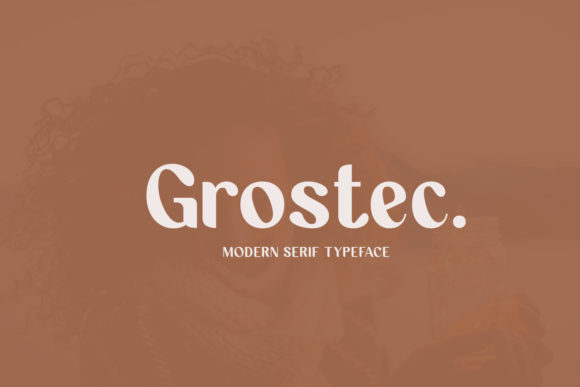
Grostec is not designed for body text or lengthy paragraphs. Its primary function is that of a display font, meaning it is intended to be used at larger sizes where its individual letterforms can be appreciated. The font’s character lies in its playful yet structured approach to letter design. It avoids the stiffness of traditional sans-serifs while steering clear of the illegibility often associated with overly decorative scripts.
The "cool" factor mentioned in its description stems from a modern sensibility in its curves and angles. Grostec often features rounded terminals and slightly irregular proportions that give it a hand-crafted feel, even though it is a digital typeface. This creates an approachable vibe that can soften the corporate edge of a brand without sacrificing professionalism. When you use Grostec, you are signaling creativity and confidence. It works particularly well in contexts where the goal is to engage rather than just inform.
Key Characteristics
- Distinctive Weight Distribution: Grostec often employs varying stroke weights that add dynamic tension to headlines.
- Rounded Geometry: The use of soft edges makes the font feel friendly and accessible.
- High Legibility at Scale: Despite its stylized nature, the letters remain clear when viewed from a distance.
- Versatile Tone: It balances fun with a degree of sophistication, avoiding clichés.
Practical Applications in Design
To understand the value of Grostec, one must look at where it performs best. Display fonts have narrow lanes of usability, and Grostec fits comfortably within several high-impact categories. Its strength is realized when it is given space to breathe, allowing the eye to rest on its unique forms.
Web Design and Digital Interfaces
In web design, first impressions are formed in milliseconds. Using Grostec for hero headers, landing page titles, or section dividers can instantly differentiate a website from competitors who rely on standard system fonts. However, caution is advised. Because Grostec is a display font, it should never be used for navigation menus, paragraph text, or button labels. The cognitive load required to read such stylized text in small sizes would frustrate users and increase bounce rates.
A practical approach is to pair Grostec with a neutral, highly readable sans-serif for body copy. This contrast highlights the personality of Grostec while maintaining usability. For example, a creative agency might use Grostec for their main tagline, paired with a clean geometric sans-serif for service descriptions. This combination leverages the emotional pull of Grostec while ensuring the informational content remains clear.
Business Cards and Print Collateral
Physical marketing materials offer a tactile dimension that digital screens lack. Here, Grostec shines. On a business card, the font can serve as the focal point for a name or company title. The unique shape of the letters becomes a visual hook, making the card more likely to be retained or remembered. Similarly, in brochures, posters, or flyers, Grostec can draw the eye to key selling points or event dates.
When using Grostec in print, consider the paper quality and ink coverage. Display fonts with thick strokes may require careful kerning adjustments to prevent ink bleed or visual clutter. Testing a physical proof is always recommended to ensure that the "fun" aesthetic does not become muddy or indistinct in reproduction.
Branding and Logo Design
For startups and personal brands seeking a memorable identity, Grostec can be a powerful asset. Its uniqueness reduces the risk of blending in with generic templates. However, logo design requires rigorous testing across various scales and mediums. A logo must work in black and white, in single colors, and at very small sizes (such as favicons). If Grostec loses its character or legibility at reduced scales, it may not be suitable for the core logo mark, though it could still be used for secondary branding elements like social media graphics or email signatures.
Evaluating Usability and Flexibility
One of the critical aspects of any font evaluation is its flexibility within a design system. Does Grostec come with enough variants to support a hierarchy of information? Many modern display fonts include multiple weights, italics, or alternate characters. If Grostec offers a range of styles, it becomes much easier to integrate into a cohesive layout. Without sufficient variation, designers may struggle to create contrast between headings and subheadings.
Kerning and spacing are also vital considerations. Stylized fonts often have idiosyncratic spacing requirements. What looks balanced on a screen might appear uneven in print or on different devices. Professional designers should always test Grostec in context, checking for awkward gaps or collisions between letters. Tools that allow for manual kerning adjustment are essential when working with such a distinct typeface.
Potential Limitations
No font is perfect for every situation. Grostec’s primary limitation is its narrow application scope. It is not a workhorse font; it cannot carry a long-form article or a technical manual. Attempting to use it for extended reading will fatigue the viewer and undermine the message’s credibility. Additionally, because it has a strong personality, it can clash with other busy visual elements. If a background image or graphic is complex, adding Grostec might create visual noise rather than clarity.
Furthermore, accessibility must be considered. Users with dyslexia or visual impairments may find highly stylized fonts challenging to process. While Grostec is legible, its unconventional shapes may not meet the highest standards of universal design. Therefore, it is crucial to provide fallback options or alternative text formats where necessary.
Who Benefits Most from Grostec?
Identifying the right audience for Grostec helps streamline the decision-making process. This font is particularly valuable for:
- Creative Freelancers: Graphic designers, illustrators, and photographers who need to showcase their portfolio with flair.
- Small Business Owners: Entrepreneurs in creative industries (cafes, boutiques, studios) who want to stand out without hiring a custom type foundry.
- Marketers and Bloggers: Content creators looking to break up monotony in social media graphics or featured images.
- Event Organizers: Those designing posters, invitations, and banners for festivals, workshops, or launches.
For these groups, Grostec offers a cost-effective way to inject personality into their communications. It bridges the gap between professional polish and artistic expression. In contrast, corporations in regulated industries (finance, healthcare, law) may find Grostec too informal for their primary communications, though it might work for internal culture campaigns or community outreach materials.
Long-Term Value and Consistency
When investing in a typeface, longevity matters. Trends in typography shift rapidly, but some styles endure because they balance novelty with timelessness. Grostec’s blend of fun and structure suggests it has staying power. It avoids the extreme gimmickry that dates quickly, opting instead for a modern classic feel. This makes it a safe choice for projects that need to look current for several years.
Consistency is key to building brand recognition. Once Grostec is adopted as part of a visual identity, it should be applied consistently across all touchpoints. Mixing Grostec with incompatible fonts can dilute its impact. Establishing clear guidelines on when and how to use the font ensures that it remains a recognizable asset rather than a fleeting experiment.
Final Thoughts
Grostec is more than just a pretty font; it is a strategic design element that can elevate a project from ordinary to exceptional. Its strength lies in its ability to capture attention and convey a specific tone—fun, cool, and confident. By understanding its limitations and applying it thoughtfully, designers can harness its potential to create compelling visual narratives.
Whether you are crafting a website header, designing a business card, or developing a brand identity, Grostec offers a unique opportunity to add a distinctive touch. It rewards those who respect its role as a display font and punish those who misuse it. With careful planning and contextual awareness, Grostec can become a powerful ally in your creative toolkit, helping you communicate your message with clarity and style.